







Does Sensodyne toothpaste help prevent cavities?
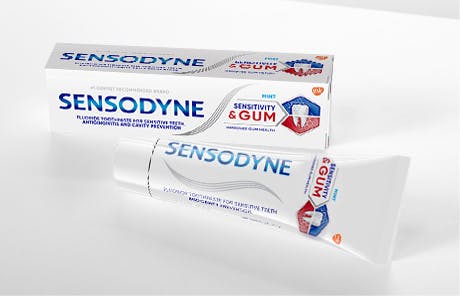
Yes. All Sensodyne products contain fluoride, which helps protect against cavities.

ENJOY THE HOT AND COLD FOOD AND DRINKS YOU LOVE AGAIN
Sensodyne
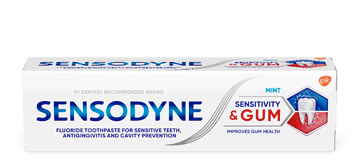
Sensodyne
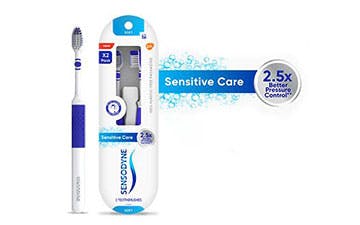
#1 DENTIST RECOMMENDED BRAND FOR SENSITIVE TEETH
*With twice daily brushing

*With twice daily brushing

0:15


0:24
Yes. All Sensodyne products contain fluoride, which helps protect against cavities.
Using a daily sensitivity toothpaste, like Sensodyne, can relieve and protect against tooth sensitivity pain when used twice every day.
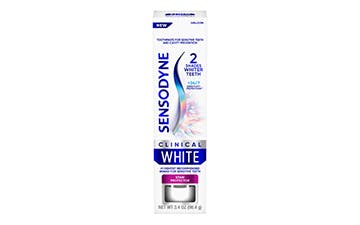
Brushing twice every day with Sensodyne True White gently lifts stains for whiter teeth, while also providing relief and lasting protection from sensitivity pain.
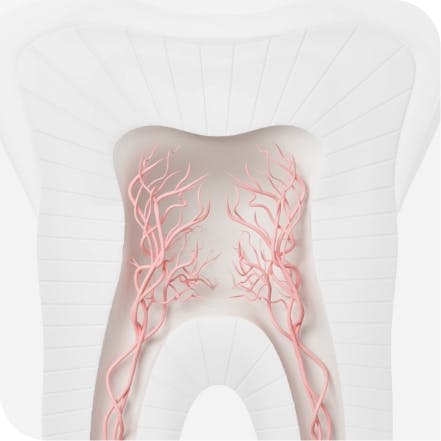
Over time, your tooth enamel can wear down, exposing the dentin tubules that lead to the nerves inside your teeth. Certain triggers can aggravate these nerves, causing sensitivity pain.
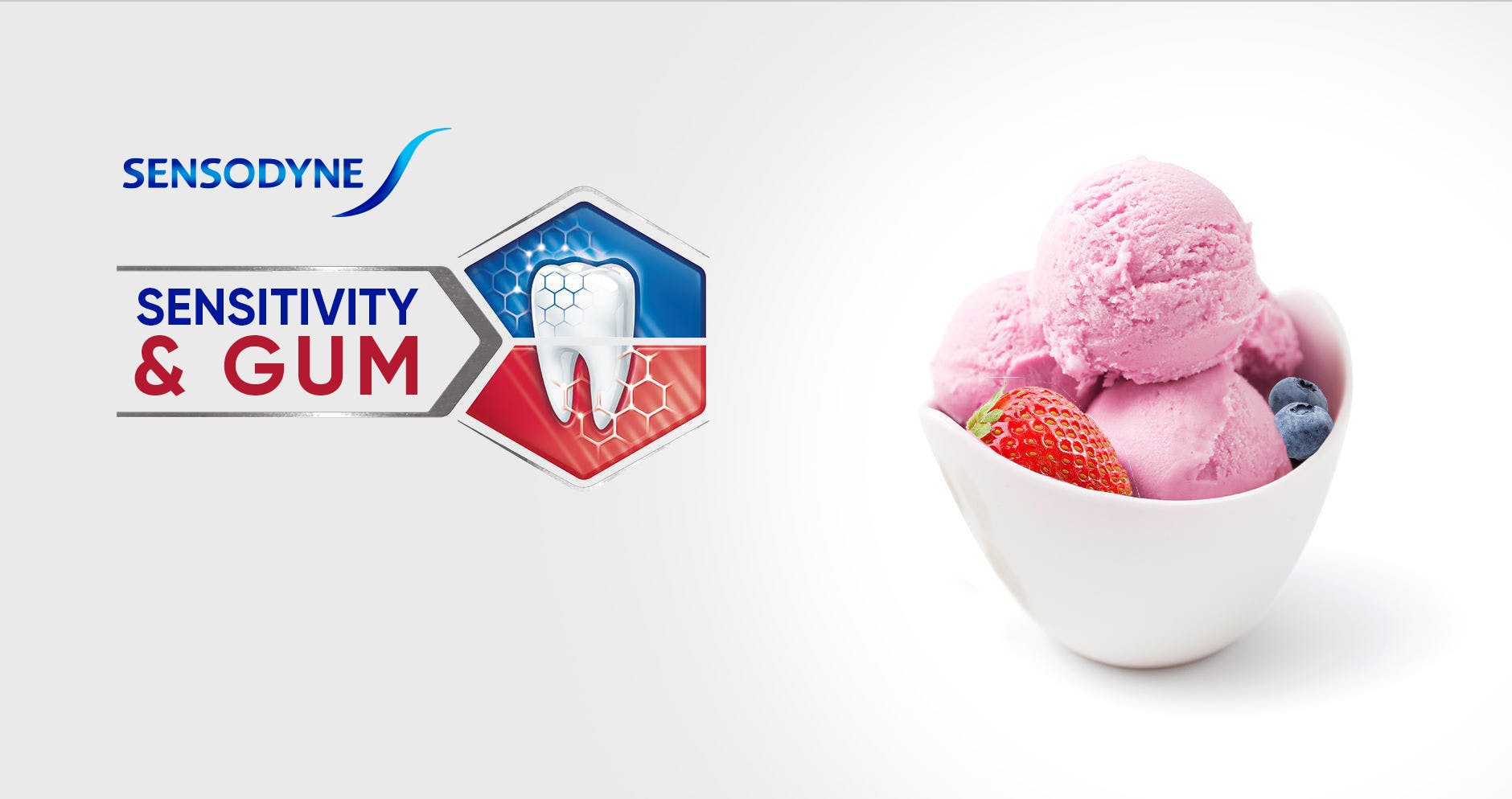
Certain triggers (like ice cream or hot coffee) can stimulate the nerves inside your teeth, resulting in a sudden, short, sharp pain, known as tooth sensitivity.
Yes. 40% of people have sensitive teeth, most of whom are between the ages of 20 and 50.
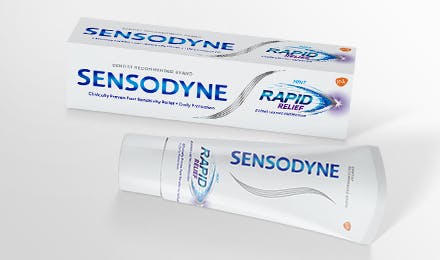
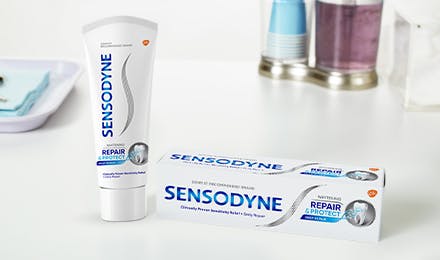
Sensodyne toothpastes work by either soothing the nerves inside your teeth or by building a barrier over sensitive areas of your teeth.
Use Sensodyne toothpaste as your daily toothpaste, brushing twice a day, every day, for continued 24/7 sensitivity protection.
